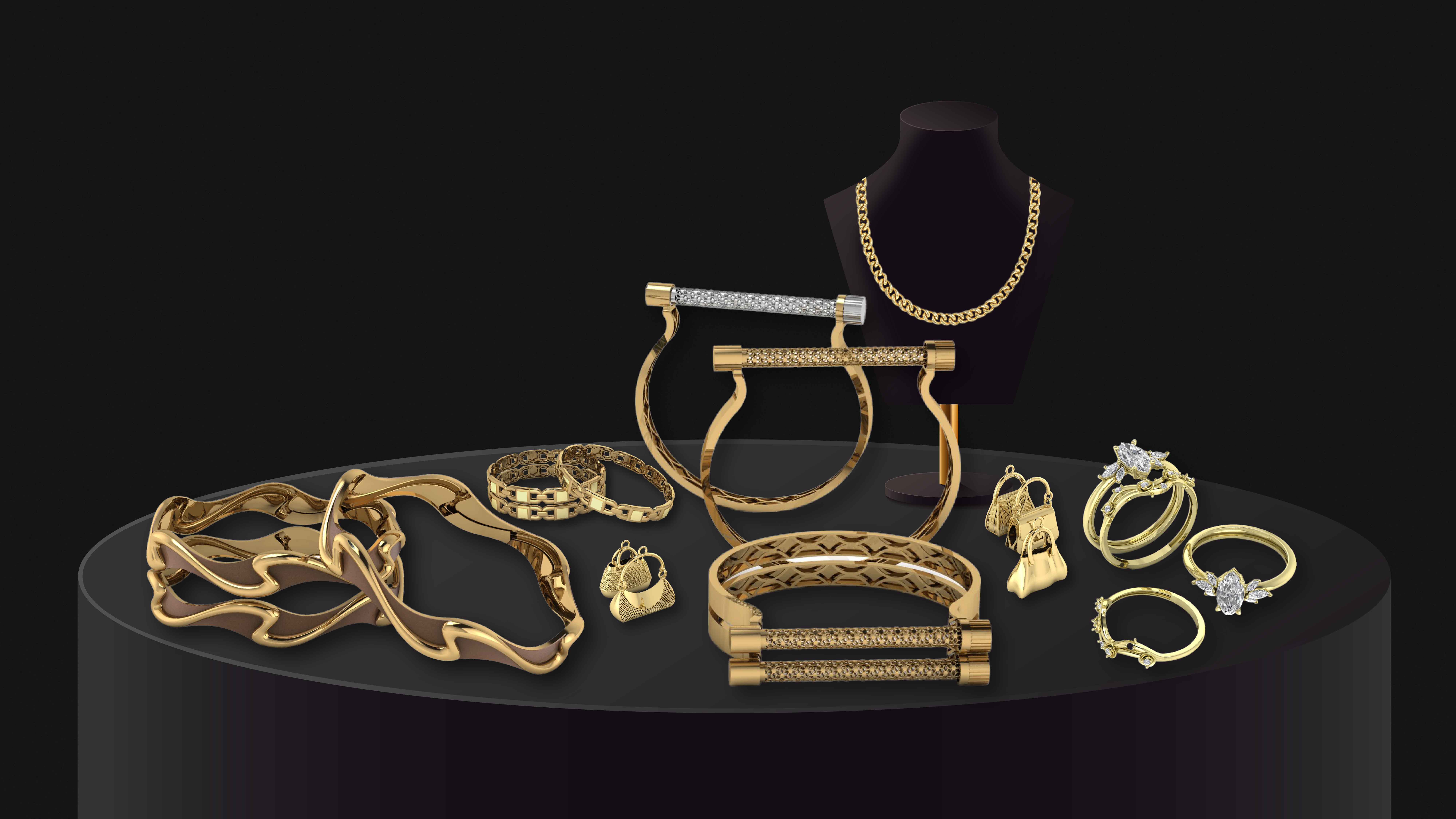

AI in Jewelry Design: Fresh Creativity or a Threat to Designers?
Where art meets algorithms—and why the future is collaboration, not competition.
How Did AI Enter the World of Jewelry Design?
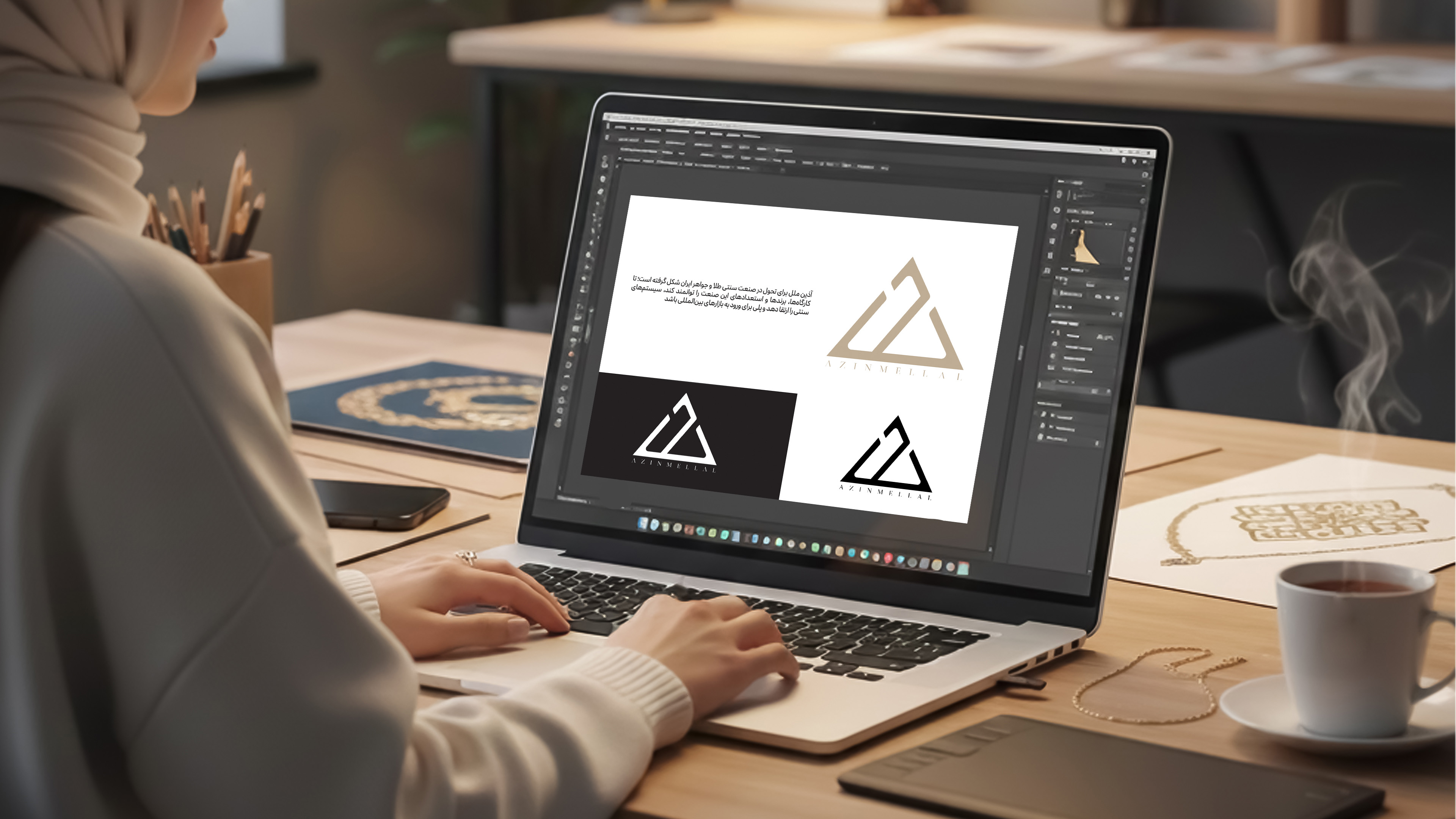
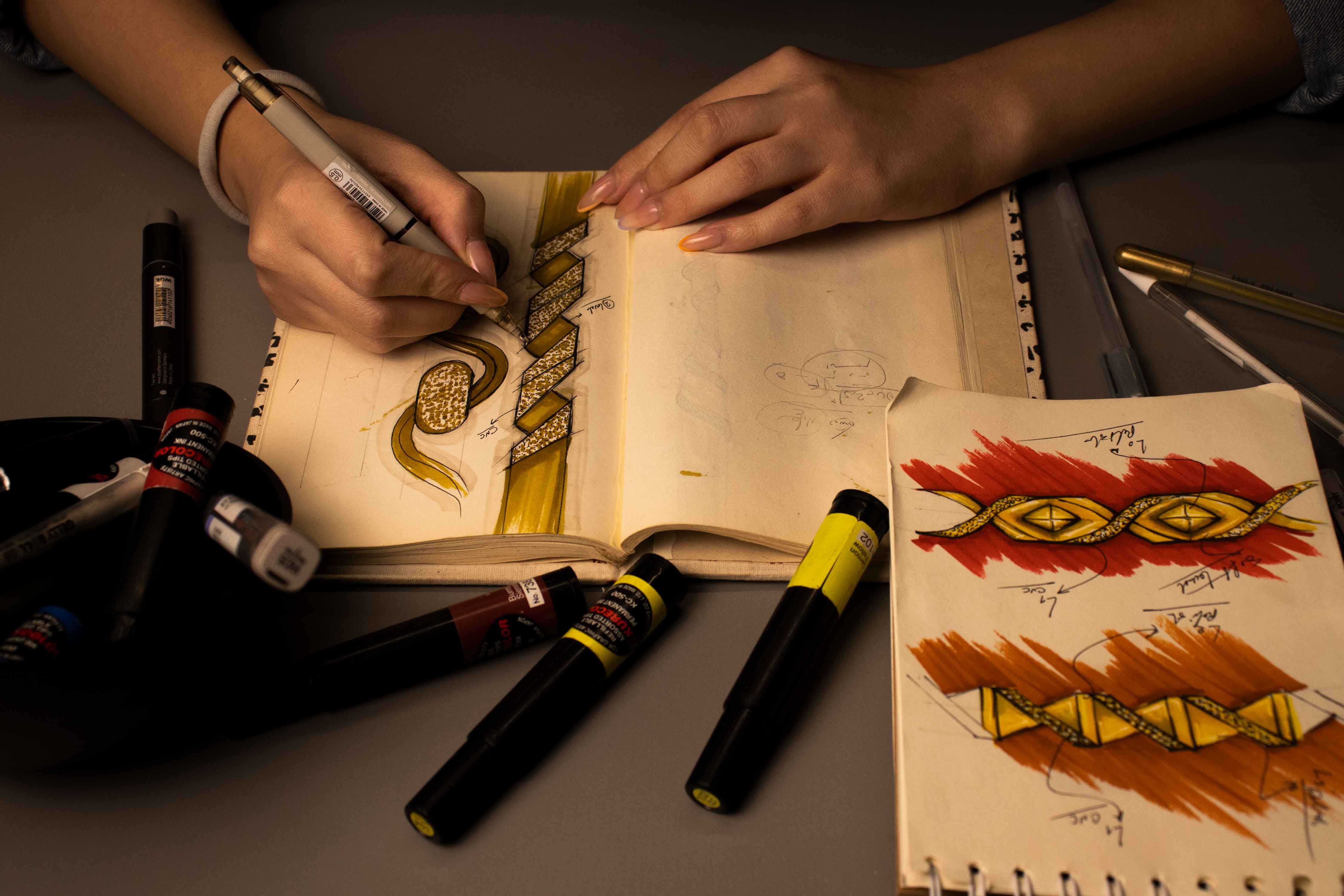
AI’s arrival in jewelry design wasn’t an overnight event—it grew from blending two seemingly distant worlds: art and technology. For years, jewelry design relied on human taste and experience. Designers sketched by hand or used 3D software like Rhino or MatrixGold. As machine learning and generative design matured, the industry began to explore a new path.
At first, AI was used to analyze market data and customer preferences—tracking trends, colors, forms, and materials—to help designers make sharper decisions. The turning point came when models learned to produce their own concept drafts. Suddenly, ideation accelerated and the boundary between imagination and feasibility blurred. Today, algorithms can draw on thousands of references to create unique blends of classic and modern styles—sometimes beyond what humans typically envision.
As a result, the human role is evolving. Designers are not just creators but also directors—pairing human taste, emotion, and cultural sense with machine speed and precision. That partnership is where jewelry’s future is being forged.
Benefits of Using AI in Jewelry Design
By analyzing data, patterns, and preferences, AI can generate designs that closely match market demand. What used to be a time-consuming, costly process is becoming faster, more efficient, and more personal. Key benefits include:
- Faster ideation: Generate hundreds of concept drafts in minutes—work that might take days by hand.
- Boundary-pushing creativity: Generative algorithms explore form and composition beyond usual human bias, sparking fresh directions.
- Trend & taste intelligence: From purchase data to social feeds and color palettes, AI suggests designs with higher chances of commercial success.
- Fewer errors, lower cost: In 3D modeling, AI can flag manufacturability issues or stone-setting conflicts before production.
- Mass personalization: With preference learning, clients can receive pieces uniquely aligned to their style.
Can AI Replace Jewelry Designers?
The short answer: No—but it can transform their role.
AI can rapidly propose forms, patterns, and color combinations. With deep learning, it learns from millions of jewelry images and references. Still, design is more than execution; it’s about meaning, emotion, and cultural context. Algorithms can compose something beautiful, but they don’t understand what beauty means, nor the story or sentiment behind a piece—often essential in luxury jewelry.
The future looks like collaboration, not competition. Designers shift from doing everything by hand to orchestrating intelligent tools—using AI as an inspirational partner. In practice, AI won’t replace designers; rather, designers who refuse AI risk being outpaced by those who embrace it.
Popular AI Tools & Software for Jewelry Design
- Midjourney & DALL·E — Text-to-image generators that produce concept visuals in seconds. Great for inspiration, exploring form, and art direction.
- Rhino + Grasshopper + ShapeDiver — A powerhouse stack for professional 3D work. With AI-assisted or algorithmic definitions, you can generate complex parametric geometries that are tough to create manually.
- Autodesk Fusion 360 (with AI/Generative Design) — Combines precise modeling with optimization. Suggests structures based on constraints such as weight, strength, and aesthetics.
- Gemvision MatrixGold — A specialized jewelry suite. Parametric tools help automate stone layouts, proportions, and fine adjustments with intelligence.
- Online AI Jewelry Tools — Platforms like JewelryAI, DreamFusion, and Artbreeder let designers generate distinctive concepts with minimal technical setup.
Current Limitations of AI in Jewelry Design
Despite impressive gains, AI has limits designers should understand. Knowing them helps you use AI as a complement to human creativity—not a substitute.
- Creativity bounded by data: Models remix what they’ve seen; they can drift toward repetitive or derivative results.
- Human judgment still required: Final calls on beauty, stone fit, ergonomics, and color harmony remain human-led.
- Local taste is nuanced: AI may catch global trends yet miss regional or client-specific preferences.
- Learning curve & cost: Pro-grade AI tools and workflows can be complex and expensive for newcomers.
In practice, the best outcomes come from pairing AI’s speed and breadth with human taste, storytelling, and craft knowledge.
Final Thoughts
AI marks a turning point for the jewelry field, gradually softening the boundary between technology and art. It speeds up design, reduces errors, and widens the creative search space. Tools like Midjourney, MatrixGold, and Rhino empower designers to explore distinctive ideas in far less time.
Yet AI cannot replace the human sense of meaning, culture, and emotion. Jewelry is more than form and color—it is a story told through metal and stone. The future belongs to designers who treat AI as a creative partner, harnessing technology in service of vision. Like a real gemstone, brilliance appears when the light is guided the right way.